Personal Loan vs Credit Card Standard

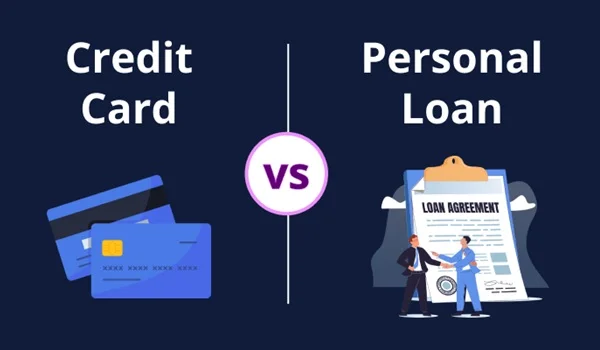
Personal Loan vs Credit Card Loan: Key Differences

A personal loan and a credit card both allow individuals to borrow money, but they work in very different ways. A personal loan generally provides a fixed amount of money upfront, which the borrower repays over a predetermined period, usually through EMIs. A credit card provides a revolving credit facility that can be used repeatedly…
Read more
How to File a Case in India Standard

How to File a Case in India: Complete Step-by-Step Guide

Filing a case in India involves more than simply going to a court and submitting a complaint. The correct process depends on what happened, what legal remedy is required, which law applies, which court or authority has jurisdiction and whether the matter is civil, criminal or covered by a specialised law. A civil dispute may…

Read more
Civil Case vs Criminal Case Standard

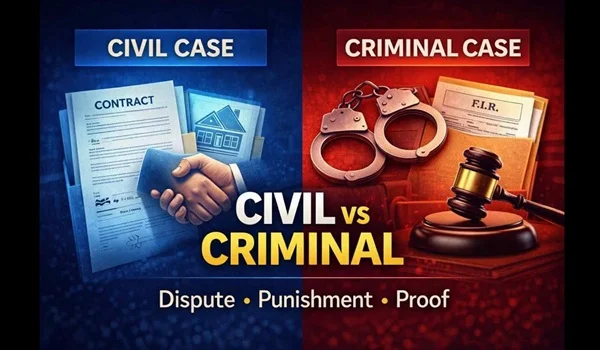
Civil Case vs Criminal Case: Key Differences in India

A civil case and a criminal case are two different types of legal proceedings in India. Although both are decided by courts, they serve different purposes, involve different procedures and can lead to different outcomes. A civil case generally concerns disputes involving private rights, property, contracts, money, family matters or other legal obligations. A criminal…

Read more
What Is Ethereum Standard

What Is Ethereum and How Does It Work?

Ethereum is a decentralised blockchain network and software platform that allows people to transfer digital assets and run applications through smart contracts. Its native cryptocurrency is called Ether (ETH). While Bitcoin was primarily designed as a decentralised digital-money network, Ethereum was built as a programmable blockchain. Developers can deploy smart contracts on Ethereum and use…

Read more
Civil Law vs Criminal Law Standard

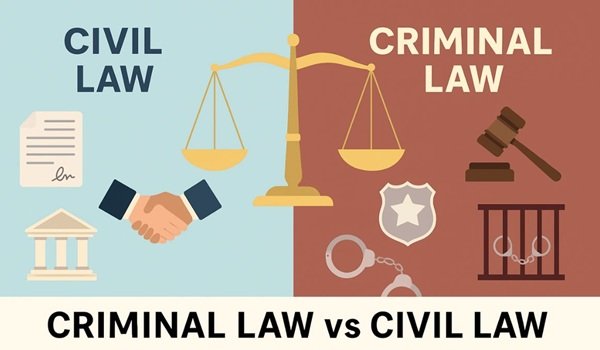
Civil Law vs Criminal Law: Key Differences in India

Civil law and criminal law are two major areas of the Indian legal system, but they deal with different types of disputes and legal consequences. Civil law generally deals with disputes involving private rights, obligations, property, contracts, family matters and compensation. Criminal law deals with acts or omissions that are treated as offences and may…

Read more
Loan Applications Get Rejected Standard

Why Personal Loan Applications Get Rejected: Common Reasons & What to Do

A personal loan application can be rejected even when the applicant has a regular income. This is because lenders assess several factors before approving an unsecured loan, including credit history, income, employment or business stability, existing debt and repayment capacity. There is also no single eligibility formula followed by every bank or NBFC. A borrower…

Read more
Plot vs Flat Standard

Plot vs Flat: Key Differences

Choosing between a plot and a flat is an important property decision in India. Both can be used for residential purposes, but they represent very different types of ownership and investment. A flat is a self-contained residential unit within a building or residential project. A plot is a parcel of land that can potentially be…

Read more
What Is a Zero FIR Standard

Zero FIR: Meaning, Rules and Process in India

A Zero FIR allows a person to report information about a cognizable offence at a police station even when the alleged offence occurred outside that police station’s ordinary territorial jurisdiction. The concept is particularly useful when immediate reporting is important and travelling to the police station having territorial jurisdiction could cause delay. Under the current…

Read more
Stablecoin Standard

What Is a Stablecoin and How Does It Work?

A stablecoin is a type of crypto asset designed to maintain a relatively stable value against a reference asset, most commonly a fiat currency such as the US dollar. Unlike Bitcoin and many other cryptocurrencies whose market prices can fluctuate substantially, stablecoins are designed around mechanisms intended to keep their value close to a particular…

Read more
Demat Account Standard

What Happens to Your Demat Account When You Change Your PAN?

Permanent Account Number (PAN) is an important identification and KYC detail associated with a Demat account in India. Therefore, if your PAN details change or a new PAN has been issued to you in a situation where a correction or replacement is legally required, you should update the relevant details with your Depository Participant (DP).…

Read more